M E
D I
K L
I N
Infection prevention practices for Surgeons

Surgical procedures involve dissecting a patient's body to heal or remove the diseased or damaged organ. In this way, surgeons and their teams are frequently exposed to infection due to the basic nature of their work.
It’s therefore of vital importance for a surgeon along with the surgical team to use every preventive measure possible to safeguard themselves against falling prey to infections whilst carrying out surgeries.
The following are some routine practices followed by the medical fraternity to remedy this situation:
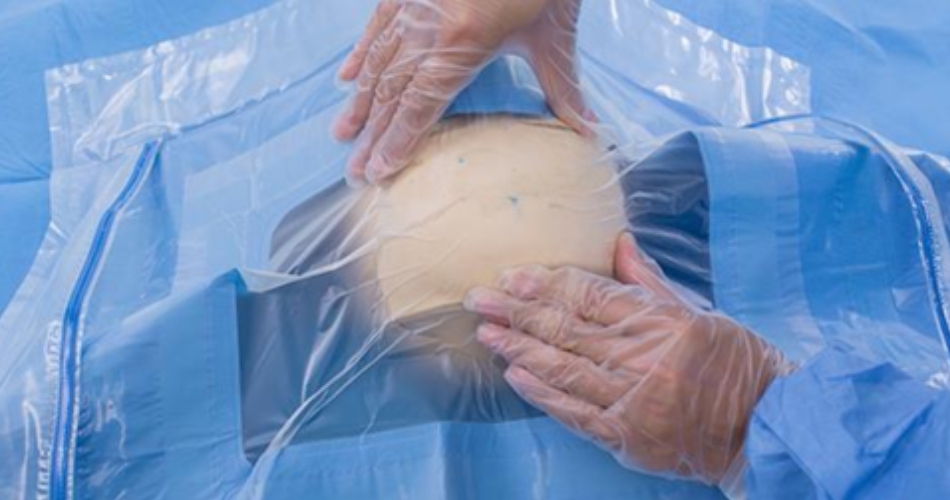
- Wearing specially designed disposable protective gowns, as well as other disposable sterile surgical accessories such as face mask, head covers, latex gloves, foot covers, and goggles.
- Sterilization protocols should be strictly adhered to before, after and during the surgery to prevent the proliferation of pathogens. Every sterilization cycle should be monitored using tests for chemical or biological indicators.
- The skin surface of hands & forearms should be fully dried after scrubbing. This should be followed by a surgical hand antisepsis procedure by using either an anti-microbial soap or alcohol-based hand rub before and after wearing sterile gloves.
- An empty stomach lowers immunity hence its paramount to have a full meal prior to arriving at the hospital.
- Separating panels and a high-tech air filtration system should be used in OTs to eliminate airborne pathogens and to monitor the airflow.
- Avoiding touching blood or other body fluids and secretions emitted by the patient, by the bare body, during the procedure.
- The key to good health lies in keeping one protected against infections. As healthcare professionals especially surgeons have prolonged exposure to high levels of infection, they need to adopt a rigorous and comprehensive approach to avoid getting infected by use of a right disposable product.
Related Blogs
 Surgical Drapes and Gowns: A Surgical Revolution
 Battling Infection and Germs: Disposable Gowns vs Resusable Gowns
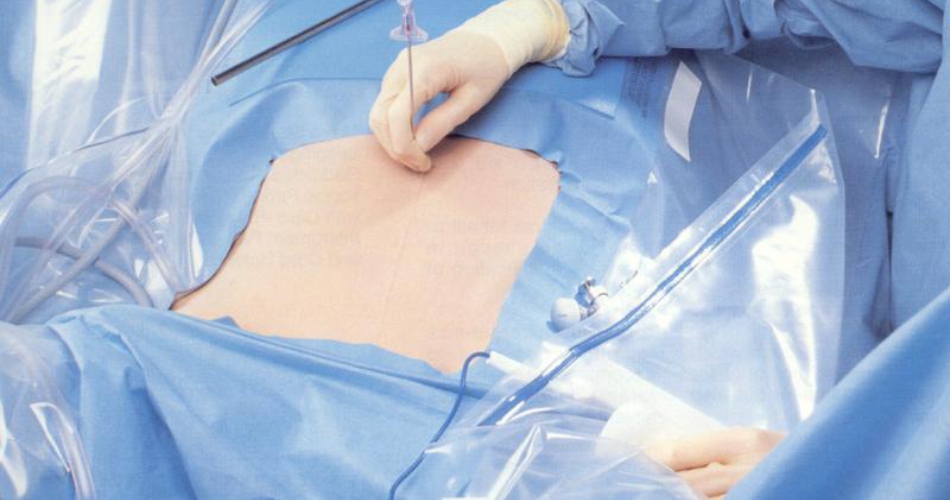 Cardiovascular and Angioplasty Drapes
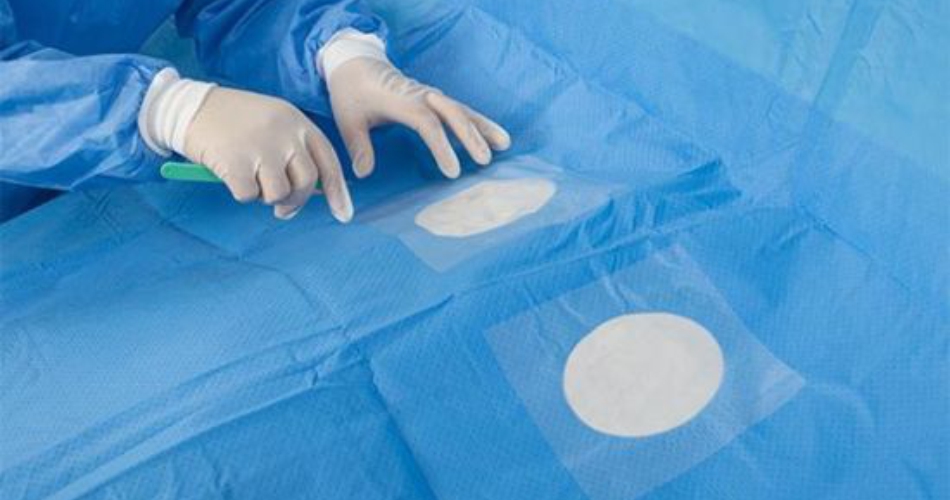 Risk analysis of Disposable Surgical Drapes
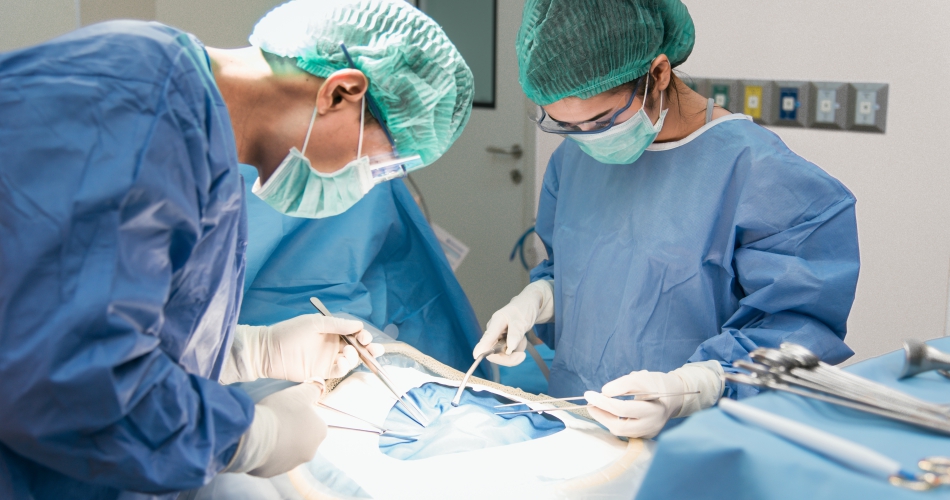 Surgical Disposable Drapes
 Surgical gowns and drapes in the Operation Theater
 Surgical drapes and gowns for Orthopaedics and Traumatology
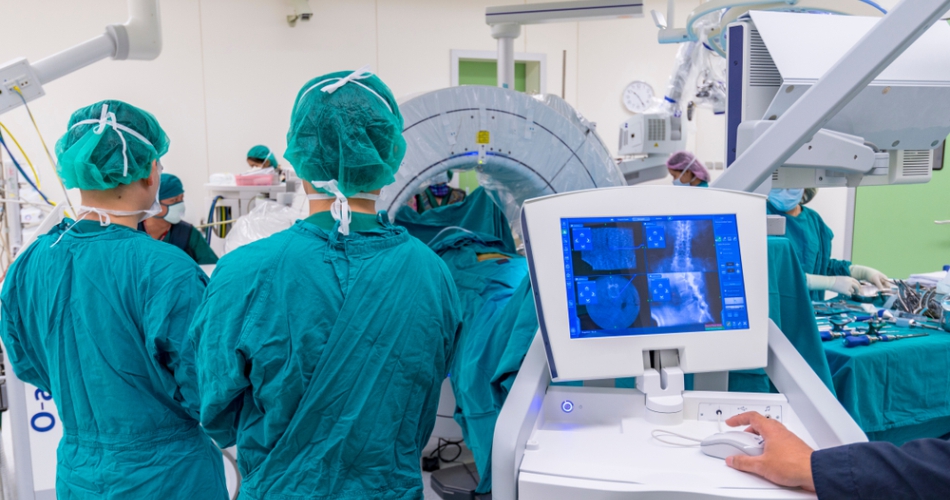 Introduction to Neurology surgical drapes and kits
 Drapes and Kits for Gynaecology