Importance of Disposable HIV kits

HIV (Human Immunodeficiency Virus) is a virus that attacks the immune system. It can cause acquired immunodeficiency syndrome (AIDS), a diagnosis of late-stage HIV infection. Such damage to the immune system makes it increasingly harder for the body to fight off infections and other diseases.
According to UNAIDS:
In 2018 about 37.9 million people around the globe were living with HIV/AIDS. Of these, 36.2 million were adults, and 1.7 million were children (< 15). While an estimated 1.7 million individuals worldwide became newly infected with HIV in 2018.
As it is very widespread, it is not uncommon for medical professionals coming in contact with HIV-infected patients and vice versa. This calls for strict safety measures to be followed to ensure that HIV transmission is eliminated in a health care setting.
Basic infection control procedures in health care include hand hygiene, use of personal protective equipment to avoid contamination. As well as safe disposal of sharp instruments and waste, and safe cleaning and disinfection of the environment and equipment.
Disposable HIV kits:
In addition to these measures, healthcare professionals also have access to disposable HIV kits that are manufactured using high-quality, optimum-grade basic materials and advanced technologies. Such HIV kits have found their use in numerous operation theatres and Clinical autopsy procedures.
A disposable HIV kit contains all the basic things needed to operate an HIV-positive patient, including a Face mask, Gown, Head Cap, Disposable Gloves, Shoe Cover, Goggles, and Waste Carry Bag.
These disposable HIV kits are widely used to get protection from HIV infected patients during treatment and are commonly accepted by the healthcare industry. They could also be built according to specific requirements. Disposable HIV kits are user-friendly as they are safe to use, reliable, durable, and portable in nature.
Related Blogs
 Surgical Drapes and Gowns: A Surgical Revolution
 Battling Infection and Germs: Disposable Gowns vs Resusable Gowns
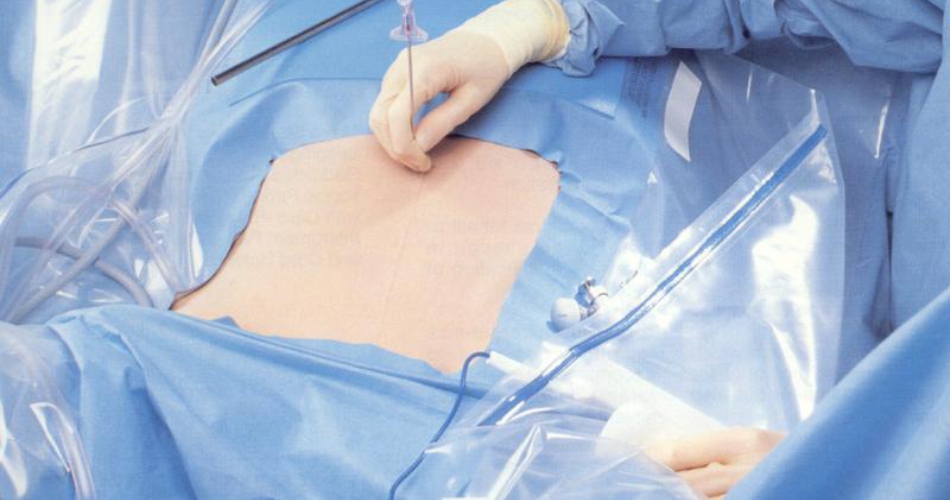 Cardiovascular and Angioplasty Drapes
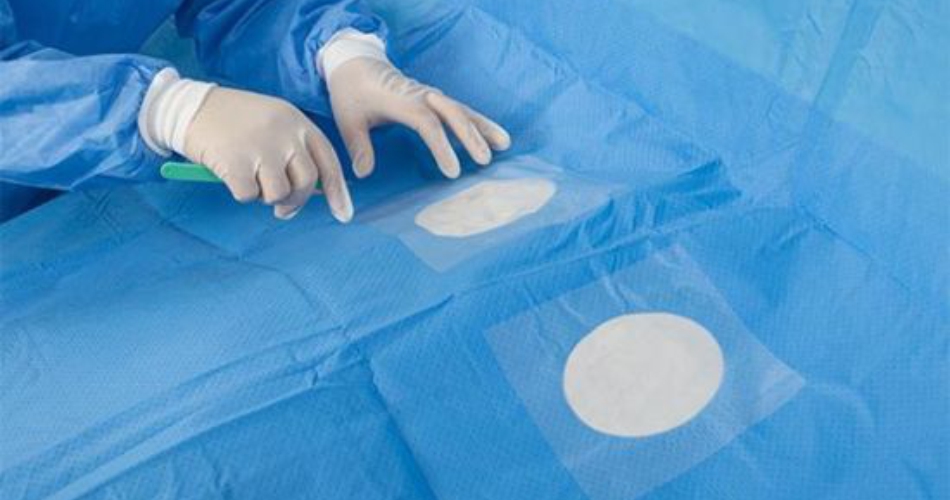 Risk analysis of Disposable Surgical Drapes
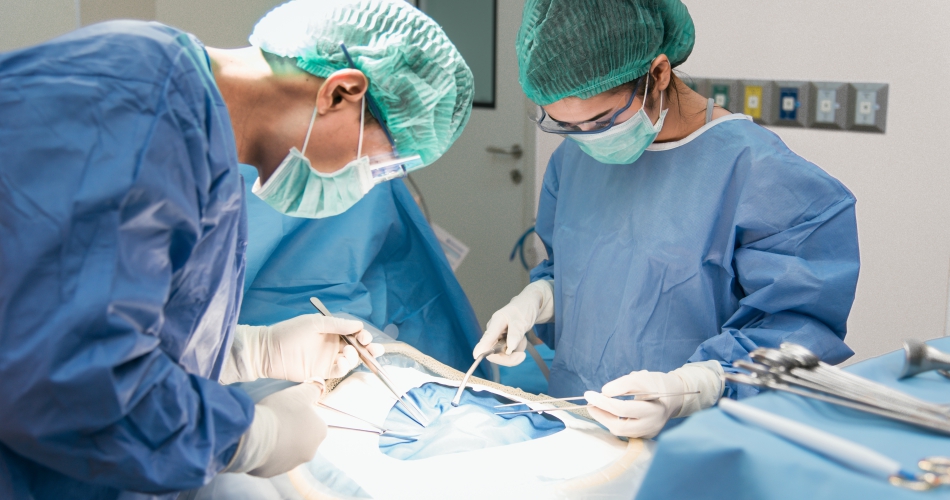 Surgical Disposable Drapes
 Surgical gowns and drapes in the Operation Theater
 Surgical drapes and gowns for Orthopaedics and Traumatology
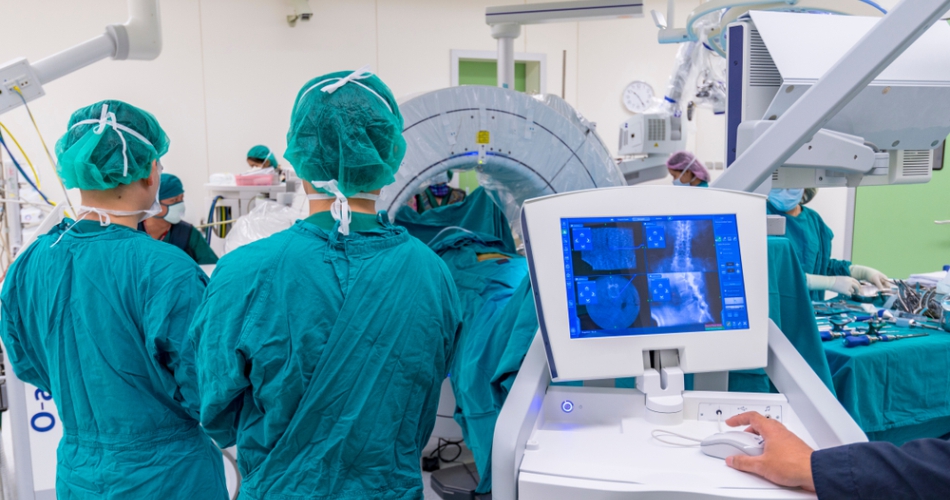 Introduction to Neurology surgical drapes and kits
 Drapes and Kits for Gynaecology