Benefits of using Plastic Adhesive Drapes
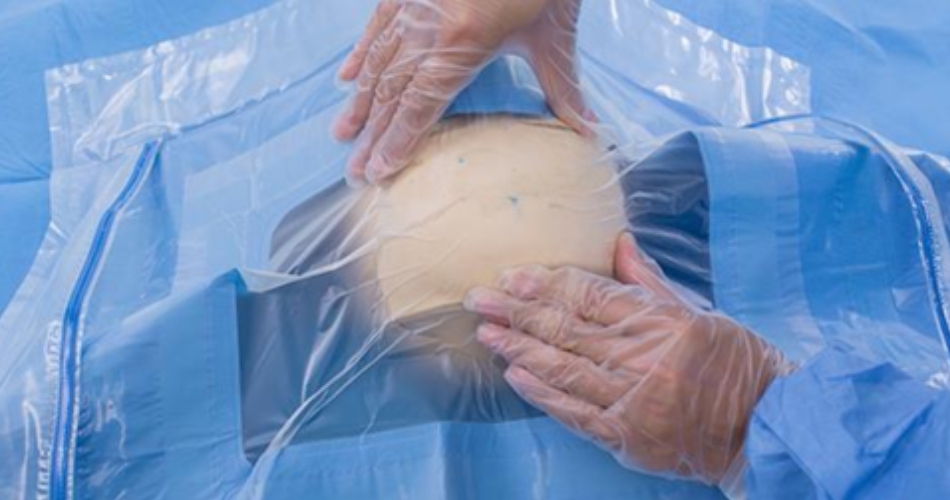
Preventing surgical site infection in the operating room is the primary objective of the surgical team. This can be done by the use of drapes to carefully cover the patient and the surrounding areas.
Drapes help to maintain the sterile environment much needed for carrying out surgical procedures. Surgical site infection has been estimated to occur in about 15% of clean surgery and 30% of contaminated surgery cases.
This complication of surgery may cause distress for the patient which leads to increased morbidity, mortality, and costs. A number of methods have been developed to help make the incision site more sterile in an effort to reduce this surgical complication.
One technique is to use plastic adhesive coatings to protect the wound from organisms that may be present on the surrounding skin during surgery. Disposable adhesive drapes are believed to prevent germs (which may be on the skin) from entering the open wound.
The use of disposable drapes allows for the surgeon to cut an opening or fenestration in the drape to any size or shape. Any possible passage of microorganisms between non-sterile and sterile areas is eliminated by appropriate draping.
Every surgical procedure will entail its own unique complications. Hence the plastic adhesive drapes to be used should be picked by the surgical team members who are aware of all the surgical procedures to be carried out.
It would be best if they chose one that matched international industry standards like the ASTM.
Related Blogs
 Surgical Drapes and Gowns: A Surgical Revolution
 Battling Infection and Germs: Disposable Gowns vs Resusable Gowns
 Cardiovascular and Angioplasty Drapes
 Risk analysis of Disposable Surgical Drapes
 Surgical Disposable Drapes
 Surgical gowns and drapes in the Operation Theater
 Surgical drapes and gowns for Orthopaedics and Traumatology
 Introduction to Neurology surgical drapes and kits
Drapes and Kits for Gynaecology
Introduction to Neurology surgical drapes and kits
Drapes and Kits for Gynaecology